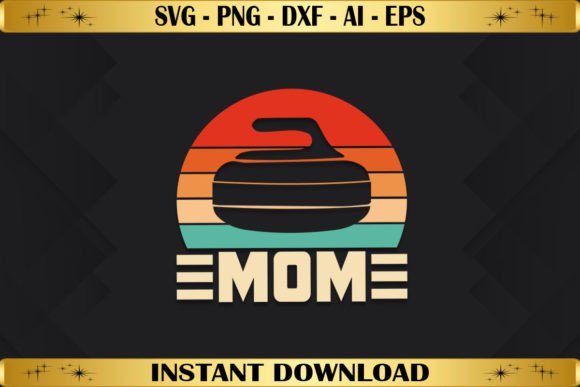
Vintage Curling Mom: A Designer’s Embroidery Review
When evaluating a new machine embroidery design for my shop, I look beyond the digital preview. As someone who stitches samples before listing any product, I need to know how a graphic translates from screen to fabric. The Vintage Curling Mom design caught my eye because it targets a specific, passionate niche with a retro aesthetic that is currently trending in T-Shirt Designs. However, nostalgia only sells if the execution is clean. After reviewing the file structure and testing its application on real-world projects, here is my practical assessment for fellow makers and business owners.
First Impressions and Retro Aesthetic
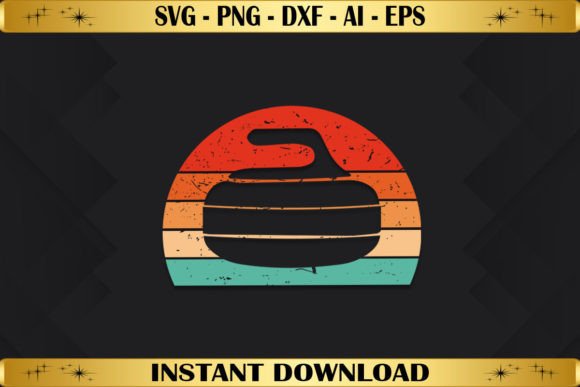
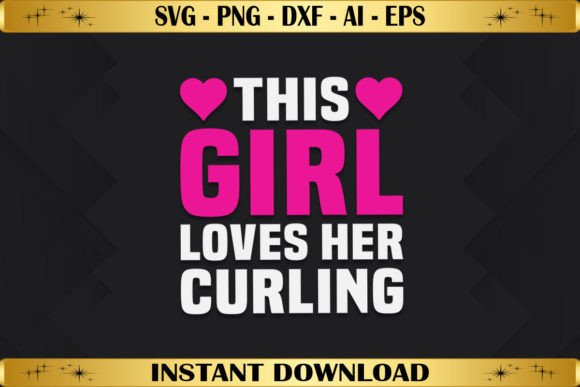
The immediate strength of Vintage Curling Mom is its visual personality. It captures a distinct mid-century vibe without feeling like a costume. The typography has that classic, slightly worn curvature that suggests heritage rather than modern clip art. For an Etsy seller or boutique owner, this matters because customers are buying a feeling as much as a garment. The layout is balanced, which is critical for center-chest placement on custom apparel. Unlike many novelty designs that are top-heavy or awkwardly spaced, this graphic sits naturally within standard hoop boundaries. The lines appear confident, suggesting they will digitize well into both satin stitch borders and fill stitch areas without excessive jump stitches.
Real-World Application: The Sweatshirt Test
To truly judge this asset, I approached it as if I were fulfilling a custom order for a curling club fundraiser. My test case was a heavyweight cotton sweatshirt, a staple for handmade product sellers in this niche. Sweatshirts present unique challenges due to their fleece backing and stretch. When hooping for this embroidery project, I found the design’s scale worked perfectly for a 4x4 or 5x7 hoop, depending on your machine. The vintage style benefits from being stitched on textured fabrics; the slight imperfection of the fleece actually enhances the retro mood.
I also evaluated this as a potential tote bag design. Canvas totes are popular small shop product items, but the lack of stretch means stabilizer choice is paramount. Because Vintage Curling Mom relies on clear lettering for readability, I used a medium-weight cutaway stabilizer to prevent puckering. The result was crisp. If you are creating personalized gift items like team bags or mom-gifts, this design holds up beautifully on canvas. Just ensure your thread colors contrast sharply against the bag color; vintage palettes often use muted tones that can disappear on unbleached natural canvas.
Navigating Fabric Limitations and Hoop Sizes
While versatile, this design requires careful consideration regarding fabric texture and weight. I would advise caution when using Vintage Curling Mom on lightweight knits or performance wear without significant modification. The density required to achieve that solid vintage look can cause distortion on thin materials. If you plan to use this for baby embroidery on onesies, you must verify the stitch density first. Heavy designs on light fabric lead to sagging and discomfort. In those cases, consider resizing the design down or converting elements to running stitch outlines to reduce bulk.
For commercial embroidery on caps, the curved surface adds complexity. This design appears adaptable for hats, provided you have the correct cap frame and stabilization. However, always check the vertical height. Some vintage scripts extend tall, which can hit the brim seam on structured caps. Always run a test stitch-out on scrap fabric that matches your final substrate. Never assume a digital embroidery file will perform identically on polar fleece as it does on twill. The interaction between needle, thread, and fabric dictates the final quality of your finished product.
Technical Notes on File Formats and Digitizing
The product description notes that you receive print-ready files including SVG, PNG, DXF, AI, and EPS formats in a zip folder. It is vital to clarify a common point of confusion for new craft business owners: these are vector graphics, not pre-digitized embroidery files like PES or DST. This is actually an advantage for experienced designers. It means you retain total control over the stitch density, underlay, and pull compensation tailored to your specific machine and fabric.
If you are purchasing this as a design asset to digitize yourself, the clean vector lines in the AI and EPS files will make auto-digitizing or manual tracing significantly easier. There are no pixelated edges to guess at. However, if you do not own digitizing software, you cannot simply load an SVG into an embroidery machine. You would need to hire a professional digitizer or find a compatible pre-digitized version. Always confirm licensing terms before selling finished items or offering the digitized file itself. Understanding whether you are buying a graphic for printing or a source file for embroidery file creation prevents costly workflow interruptions.
Enhancing Product Value and Customer Trust
In the competitive market of T-Shirt Designs and niche apparel, professionalism separates hobbyists from brands. Using a cohesive design like Vintage Curling Mom across multiple products builds brand recognition. Imagine offering a matching set: a sweatshirt for the mom and a coordinating embroidered patch for her gear bag. This cross-selling strategy increases average order value. The vintage aesthetic implies quality and timelessness, which justifies a higher price point than generic, trendy graphics.
Customer trust is built on clarity. When listing this on Etsy or your own site, use high-quality printable mockup images alongside photos of actual stitched samples. Buyers need to see how the design looks in thread, not just ink. Show close-ups of the stitching so they can assess the quality. If you use this for holiday embroidery or team merchandise, photograph it in context. A flat lay of the design on a curling rink backdrop tells a story that a white-background product shot cannot. This narrative approach connects emotionally with buyers looking for meaningful personalized gift options.
Practical Checklist for Makers
Before committing Vintage Curling Mom to a production run or client order, work through this practical checklist to ensure success:
- Test Stitch First: Never skip the sample. Verify registration and density on the exact fabric you intend to sell.
- Check Licensing: Confirm whether your purchase allows for commercial sale of physical embroidered goods versus digital redistribution.
- Evaluate Stabilizer: Match your backing to the fabric weight. Fleece needs different support than denim or canvas.
- Contrast Check: View your thread selection in natural light. Vintage colors can sometimes blend too much on similarly toned fabrics.
- Resize Responsibly: If scaling down for baby items or sleeves, adjust stitch types. Satin columns may become too narrow or dense.
- Mockup Accuracy: Ensure your digital previews represent the actual proportions of the design to avoid customer disappointment.
Ultimately, Vintage Curling Mom is a strong contender for anyone serving the winter sports community or retro-apparel niche. Its success depends entirely on your technical execution and understanding of the medium. Treat it as a premium foundation for your work, apply proper embroidery best practices, and it can become a reliable bestseller in your catalog. Whether you are making a single holiday gift or stocking a full collection of custom apparel, respecting the relationship between the graphic and the stitch will yield results that customers cherish.